
History
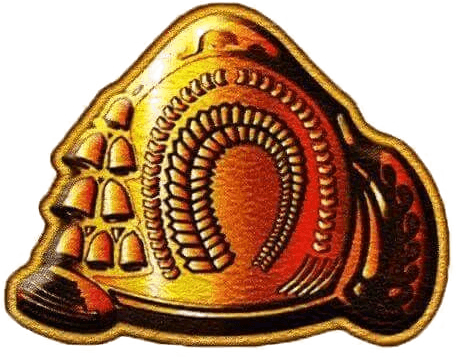
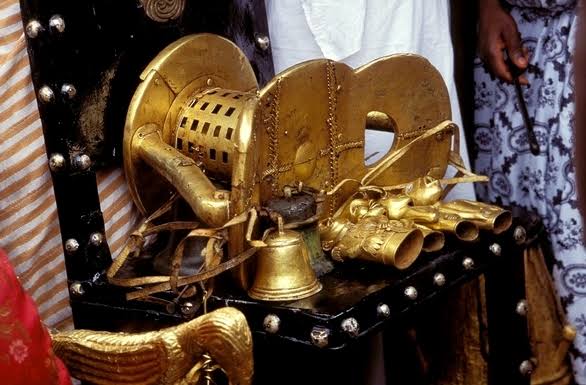
Source: Compiled from public sources: Wikipedia (Ashanti Region, Kumasi), Lonely Planet. Awaits review by custodians; Ghana Tourism Authority (visitghana.com/ashanti-region); Touring Ghana (touringghana.com/ahanti-region, undated) (link).
Asanteman was the centre of the Asante kingdom, later called the Asante Empire. Sources linked from the regional record describe the Anglo-Ashanti wars, the War of the Golden Stool and the later Ashanti protectorate under British rule. Kumasi remains the seat of the Asantehene.
Landmarks of this history in Kumasi
- Manhyia Palace, built by the British in 1925 to receive the Asantehene Prempeh I on his return from exile. It is now a museum.
- Fort Kumasi, built in 1896 to replace an earlier Asante fort, now a museum.
- Prempeh II Jubilee Museum, within the Centre for National Culture, which displays Asante regalia and a reproduction of the Golden Stool.
A fuller, custodian-reviewed history of the founding of the kingdom is still being prepared. Until then, the museums above are the best place to hear it from the people who keep it.
From the Ghana Tourism Authority
Kumasi is described as the ancient capital of the region, founded in 1695 by the Asantehene Osei Tutu. The Besease Shrine is described as over 300 years old. Kumasi Fort and the Military Museum are named among the historic sites to visit.
From Touring Ghana
The Asante Empire followed the Bono and Denkyira empires and, at its height, is said to have covered over 70% of present-day Ghana. Kumasi's central position gave it control of trade routes. After several wars with the British, Prempeh I and key chiefs and generals were captured by 1896 and exiled, first to Sierra Leone and then the Seychelles. Yaa Asantewaa, queen mother of Edweso (Ejisu), led the 1900 war effort.