Rooted in history. Rich in culture.

Source: Compiled from public sources: Wikipedia (Ashanti Region, Kumasi), Lonely Planet. Cultural content awaits review by custodians; Ghana Tourism Authority (visitghana.com/ashanti-region) (link).
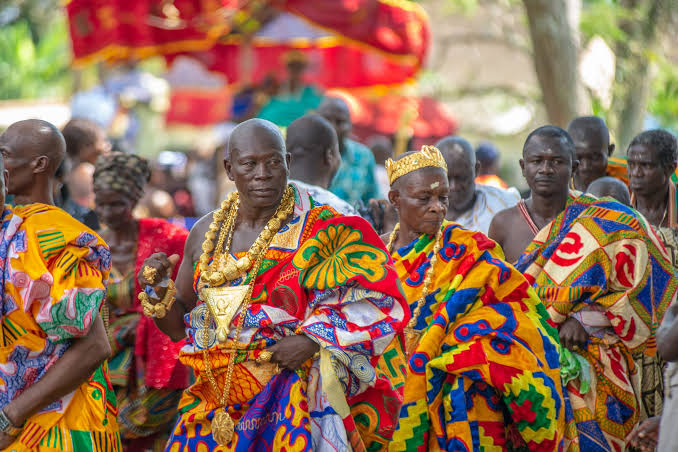
Asanteman is the homeland of the Asante, the largest group among the Akan people. According to the 2021 census figures reported on Wikipedia, 94.2% of citizens by birth in the Ashanti Region are Akan. The royal court at Kumasi, the Golden Stool, the Adae ceremonies and the craft traditions of the villages around the city are central to how Asante identity is expressed.
Explore
Places to start
- Manhyia Palace Museum, Kumasi. The building dates from 1925 and is now a museum of Asante royal history.
- Centre for National Culture and the Prempeh II Jubilee Museum, Kumasi, which holds Asante regalia.
- Fort Kumasi, built in 1896 and now a military museum.
- Craft villages: Bonwire (kente weaving), Ntonso (Adinkra cloth) and Ahwiaa (wood carving).
Please ask permission before photographing people, shrines and ceremonies, and follow your guide's advice on dress and conduct.
From the Ghana Tourism Authority
- Kente. Traditional kente is woven by men and is known as nwentoma ("woven cloth"). It is described as originating in the Asante kingdom. Bonwire is called the royal kente weaving village.
- Woodcarving is practised in villages around Kumasi.
- Besease Shrine is described as over 300 years old.
- Funerals and naming ceremonies can be marked by drumming, dancing and pageantry. If you are invited, ask your host about dress and photography first.
Ceremonies & festivals
Which ceremonies visitors may attend, with etiquette and confirmed dates.
Cultural calendar
Dates confirmed by the organisers, by month.
History
How Asanteman came to be, told from verified sources.
Traditions
Customs and institutions, reviewed by their custodians before publication.
Festivals
Celebrations across the region. See also the events calendar.
Crafts
The makers and workshops behind the region's crafts.
Food
Local dishes and where to taste them.
Cultural and traditional content is published only after it has been checked with the appropriate custodians and sources.